Overview
What is a “session zero” (and why should you have one)
You have decided to
start playing D&D  https://groupfinder.eu/library/how-to-start-playing-dnd-a-beginners-guide-to-your-first-adventure
, keep in mind that Dungeons & Dragons is a social game. Sure, we have dice, miniatures, maps, terrain, rules and books. But they are all connected by social interactions and connections. And managing those social situations before they become problematic will save you a lot of headache. After all, you are looking to
find a dungeons and dragons group https://groupfinder.eu/list not be defeated by the recruitment process.
A session zero (named so, because the first session will most likely be the one where you all sit down and finally get the game going) is a validation checkpoint. A change for all the players to discuss what they expect from the game and the group. Voicing any concerns or topics that should be addressed beforehand, not when they have already become issues.
During the session zero, players (including the DM, they are a player as well) will be given a general pitch of the game, the theme, the style and the direction the DM is expecting you to go. This most likely will not be a two-hour lore-dump session, where you make notes and try to remember all the important bits. It should resemble an elevator pitch. Short, straight to the point, without too much flavouring and getting bogged down in details.
This is a chance for the players to understand and align their expectations regarding the game. Going into the first session with Boblin the Goblin, aiming to be the funniest character known to man and then realizing that the DM has prepared a serious, down to earth, adventure focusing on social intrigue and moral choices… Well Boblin might’ve not been the best character for that.
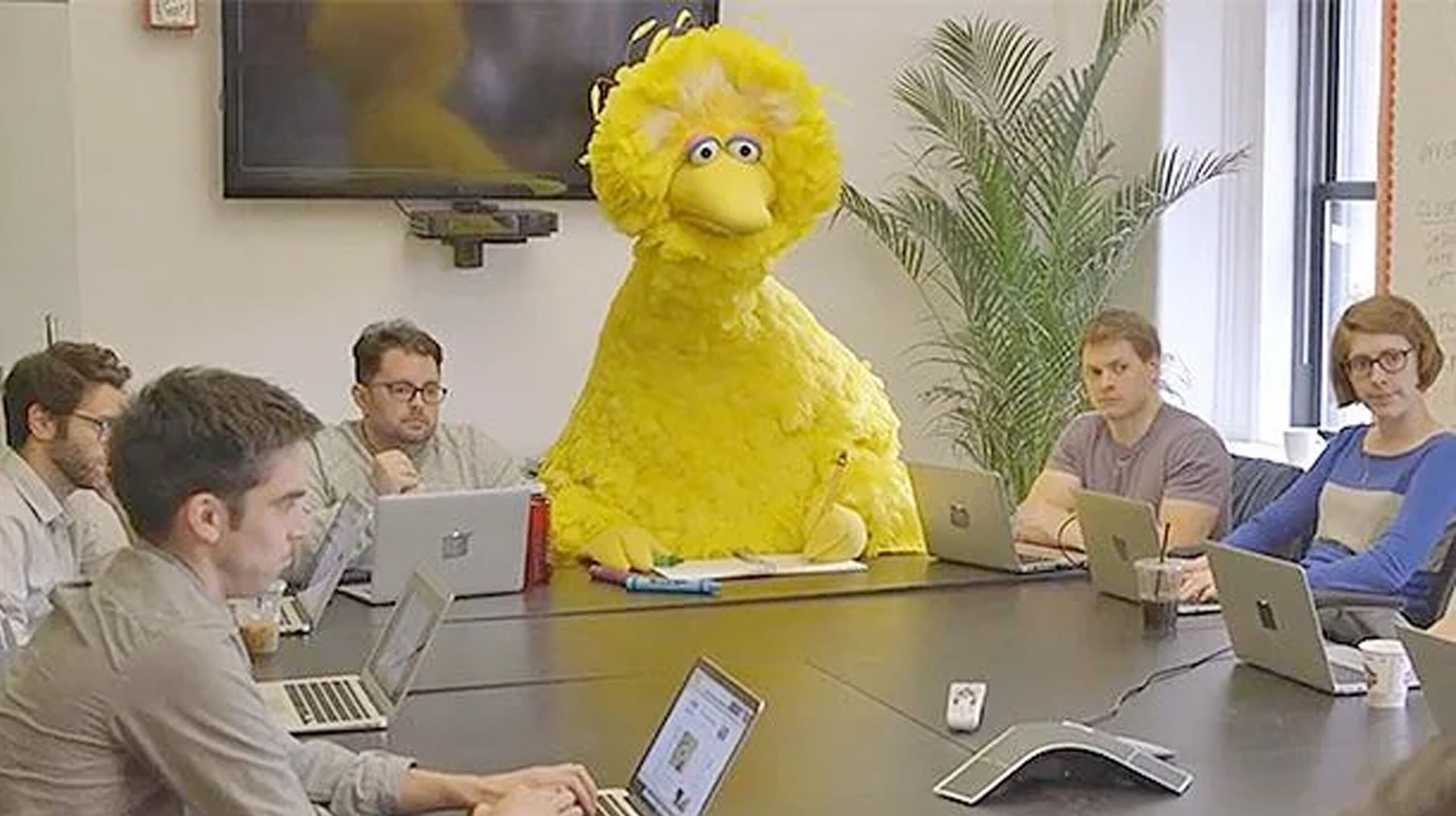
Read the room. Create a character that fits the atmosphere of the game.
And if you were hoping for constant laughs, you will find that the game and your expectations were severely mis-aligned. Session zero will try to manage expectations and set themes.
Aligning players, aligning characters
Understanding the world, the themes and topics is useful for the players to understand whether the game they are about to commit to is really for them. Whether it will be something they will look forward to prior to every session, or will it eventually become something that “you are not feeling”.
Perhaps the tone can be adjusted - from gothic horror with no room for laughs to something that is still eerie, but the players can find humor in appropriate places. This is the time to discuss these questions. The time to adjust the game is now, as it will be rather difficult to do a complete shift when you are ten sessions deep.
This is also the point where players can discuss their characters. Whether they have anything complete prepared by then or just a fragment of a concept. Your characters shall be adventuring together - try and figure out how that plays into the world you were presented with. Can you find some common background pieces with another player to somehow connect your characters? Or perhaps come up with a reasonable theme that would bring all your characters together.
If your plan was to play an edgy loner, who doesn’t like people and works alone. Discuss this with others, as this might become an issue later, when the other characters can’t figure out a way to establish any reasonable connection with your edgelord. Be flexible, adjust concepts, ideas, goals and character details.
A social contract
Nobody likes contracts. Unless you are a warlock, then you live for contracts. But a social contract is more for managing expectations.
How often will you play? Figure out whether your group can agree on a fixed schedule that everyone can book in advance. Every second Thursday evening? Booked now. Ofcourse this is subject to change as life happens.
Is it a 100% attendance game? If someone can’t attend, will the session be cancelled or will they be somehow “dragged along” without any narrative focus on them for the session. Is there a narrative way to exclude characters from certain moments, if the player is unable to participate? Agreeing on these will help you avoid situations, where some players might feel left out and might decide to start ghosting the sessions, until they are eventually removed from the roster.
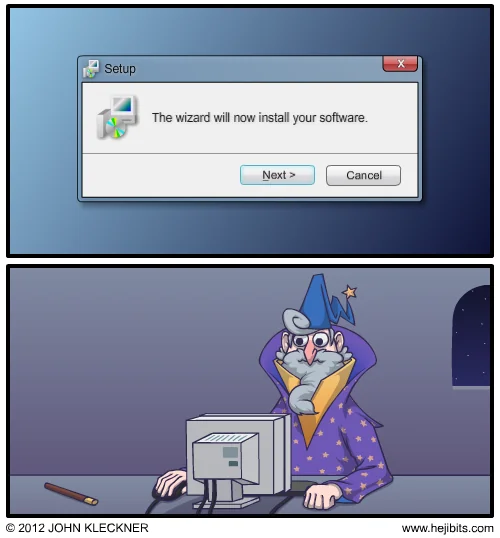
If you have trouble setting some systems up, ask others to help you
What video or voice platform will you be using, is everyone okay with the choice or does someone need help setting something up? Whether combat happens on a VTT or some other platform, can everyone manage that? Check in with others and figure out that the technical aspects won’t become too much of a burden to manage.
Boundaries. A vital part of session zero. Even if you think these are not necessary - It is still strongly recommended. Using various
safety tools https://groupfinder.eu/library/safety-tools-101-why-safe-players-are-brave-players can make sure that various themes or topics that the game might tackle are accepted by everyone. Especially if you haven’t played with all of the members of the group before. You can find various different tools to help set the right boundaries and make sure everyone feels comfortable with the game. Take a look at “
Lines and Veils https://www.dicebreaker.com/categories/roleplaying-game/opinion/lines-and-veils-rpg-safety-tools”, “
X-Card https://geekdad.com/2016/10/dd-for-young-dms-x-card/” or “
Monte Cook Games RPG Consent Checklist https://www.montecookgames.com/store/product/consent-in-gaming/”.
Vibes. How are the vibes
Keep track of the vibes during session zero. Do you notice anything that might be considered a “red flag”? Is the humor off, does everyone feel like they get enough respect and attention from the others?
All of these are important to keep in mind. While some things can be discussed and corrected, if needed. People are different and while they might be great people to be friends with, it doesn’t mean that they would be great people to play D&D with. If there are issues that you feel should be discussed, turn towards your DM and talk things out. Perhaps you were not the only one who noticed it. Or maybe it was a case of miscommunication.
Clearing the air before the game actually begins is important. Otherwise the problems will start festering and your enjoyment of the game will decrease over time.
“No D&D is better than bad D&D?” - No. Not at all. With Groupfinder you can
find a dnd group https://groupfinder.eu/list that fits your preferences. Maybe it will take a few tries and session zeroes, but once you find your group, you will know these are your people. And you will enjoy the games a lot more.
Why bother with all of this?
It might feel like all of this is too much trouble just to get the game going. But statistics have shown, that groups who go through a "session zero" before their actual game are
significantly less likely to ghost or fall apart after a few sessions. Spending a few hours talking about expectations might save you hours of frustration later on.